§ Tag
Senior Dog Behavior
Senior dog behavior change is almost always medical. The behaviors that look like anxiety, stubbornness, or "slowing down" are usually pain, cognitive dysfunction, hyperthyroidism, kidney disease, vision or hearing loss, or another condition that's treatable when caught early. "Just aging" is rarely the right answer for a sudden change in a previously stable dog.
This tag collects the articles that teach you to read senior-specific signals. The DISHA framework for canine cognitive dysfunction (Disorientation, Interaction changes, Sleep-wake alterations, House-soiling, Activity changes). The behavioral pain signs dogs hide because they evolved to — stiffness rising, hesitation at thresholds, decreased grooming, "loafing" position changes. The night pacing that's often the first sign of cognitive decline. Each article cites the senior-specific behavioral medicine sources (Salvin et al. 2011 CCDR, Landsberg's cognitive dysfunction work, AAHA Senior Care Guidelines).
The throughline across every article: behavior change in a senior dog is a vet visit before it's a training problem. Earlier intervention with pain management, dietary support, environmental modification, or selegiline produces better outcomes than waiting for the obvious physical signs. The treatable conditions are the rule, not the exception, in this age group.
6 articles

dog-behavior · 14 min
Dog Barking in Sleep: Normal Dreaming or a Seizure?
dog-behavior · 16 min
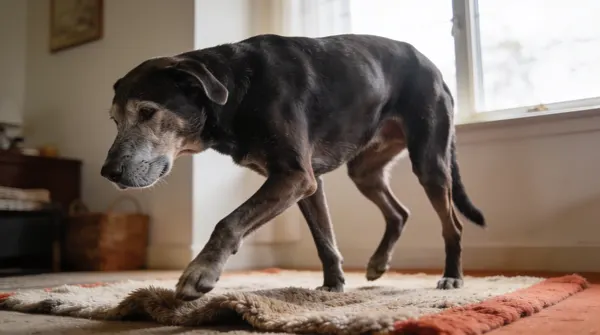
Why Does My Dog Groan When He Lies Down?

dog-behavior · 9 min
Pain Signals in Older Dogs: What to Watch

dog-behavior · 10 min
Cognitive Dysfunction in Senior Dogs: Signs

dog-behavior · 9 min
Senior Dog Behavior Changes: Medical First
dog-behavior · 7 min
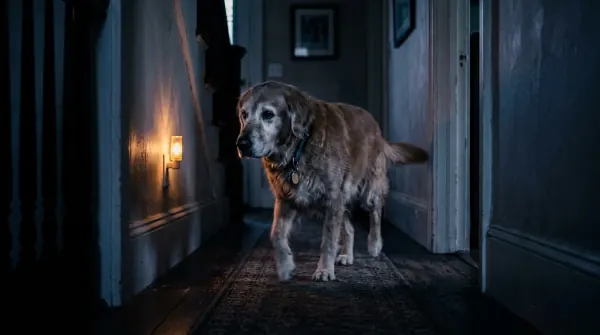
Dog Pacing at Night: Causes and Triage Steps