§ Tag
Force-Free Training
Force-free training is the methodology endorsed by every major veterinary behavior body — AVSAB, AAHA, ESVCE, AVMA. It is not a soft alternative to "real" training. It is the approach that the peer-reviewed evidence supports. Aversive methods (prong collars, e-collars, leash corrections, dominance-based handling) produce measurable increases in aggression and stress, with no improvement in long-term behavior outcomes versus positive reinforcement.
This tag collects every article that operationalizes the force-free framework — what it looks like in practice for puppy biting, leash reactivity, recall training, scratching redirection, separation anxiety, and resource guarding. Each article is grounded in the primary sources: Hiby/Rooney/Bradshaw 2004, Herron/Shofer/Reisner 2009, China/Mills/Cooper 2020, Vieira de Castro 2020, AVSAB Position Statement on Humane Dog Training 2021.
The articles take an unambiguous position. Punishment-based handling damages welfare and worsens outcomes. The evidence is clear. The alternative — positive reinforcement, counter-conditioning, environmental management, careful classical conditioning — works as well or better, without the side effects. Owners who learn to identify aversive methodology and walk away from trainers using it are doing their dogs and cats a measurable favor.
24 articles

cat-behavior · 10 min
Resource Guarding in Cats: Quiet Signs and What Helps

cat-behavior · 9 min
Why Do Cats Slap With Their Paws? Read the Context

cat-behavior · 9 min
AI Cat Body Language Analyzer: Read Visible Signals

dog-behavior · 9 min
AI Dog Body Language Analyzer: Read Visible Signals

cat-behavior · 11 min
Cat Behavior Assessment Online: Options and Checklist

cat-behavior · 10 min
Cat Hiding After Moving House: A Safe-Room Plan

cat-behavior · 10 min
Cat Non-Recognition Aggression After the Vet: What Helps

cat-behavior · 11 min
Overstimulated Cat: Warning Signs and What to Do

cat-behavior · 11 min
Cat Play Aggression: Stop Ambushes and Biting

cat-behavior · 10 min
Redirected Aggression in Cats: What to Do Right Now

dog-behavior · 10 min
Dog Consent Test for Petting: A Safer Start-Stop Check

dog-behavior · 10 min
Dog Freezing Body Language: Fear, Focus or Warning?
dog-behavior · 10 min
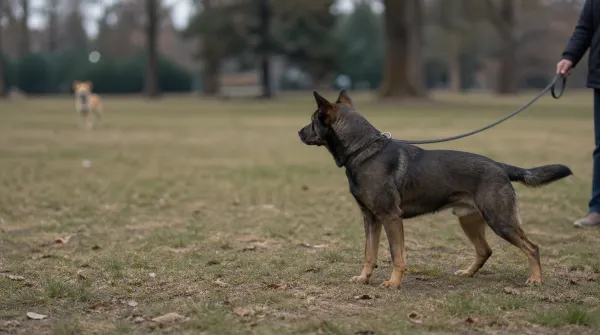
Dog Stiff Body Language: Tension, Warning or Pain?

training-science · 10 min
Pet Behavior Journal App: What to Track and Why

training-science · 9 min
Pet Behavior Photo Analysis: Choose a Useful Image

training-science · 10 min
Pet Behavior Report for Your Vet: What to Record

training-science · 23 min
Dog Behavior Assessment Online: Options and Costs

dog-behavior · 8 min
Loose-Leash Walking: The Behavioral Science

dog-behavior · 9 min
How to Teach a Reliable Recall: Full Guide

dog-behavior · 9 min
Crate Training a Puppy: A Behaviorist's Guide

cat-behavior · 9 min
Cat Scratching Furniture: How to Redirect It

training-science · 10 min
Positive Reinforcement vs Balanced Training
training-science · 9 min
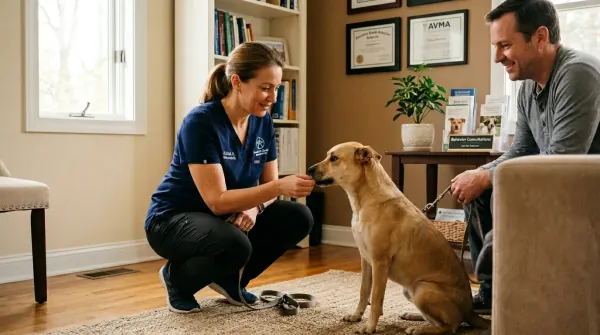
How to Find a Credentialed Pet Behaviorist

training-science · 10 min
Why Dominance Theory Is Wrong in Dog Training