§ Tag
Stress Signals
Stress doesn't usually arrive loudly. It arrives in displacement gestures — the lip lick at the door, the brief yawn at the vet, the whale eye before a growl, the airplane ears before a hiss. By the time most owners notice their pet is stressed, the pet has been signaling for minutes already, and the signaling is now louder.
This tag collects the articles that teach you to read stress on the early end of the escalation ladder. The framework comes from Turid Rugaas's calming-signal research, Karen Overall's clinical observation framework, John Bradshaw's cat stress signaling work, and the AAFP/ISFM feline-friendly handling guidelines. Each article describes a specific signal in isolation and then in clusters — because behaviorists never read one signal alone.
The practical use is the same across species: stress signals appearing two or three escalation steps before the obvious ones (growl, bark, hiss, bite, scratch) give you a window to lower environmental arousal and prevent the louder communication. Reading them early is the difference between "my dog warned me" and "my dog bit out of nowhere." The bite was never out of nowhere.
40 articles
cat-behavior · 9 min
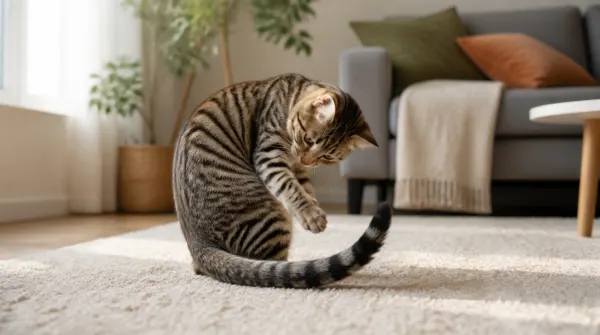
Why Do Cats Chase Their Tails? Play vs a Red Flag

dog-behavior · 9 min
Why Does My Dog Sit Alone in Another Room?
cat-behavior · 9 min
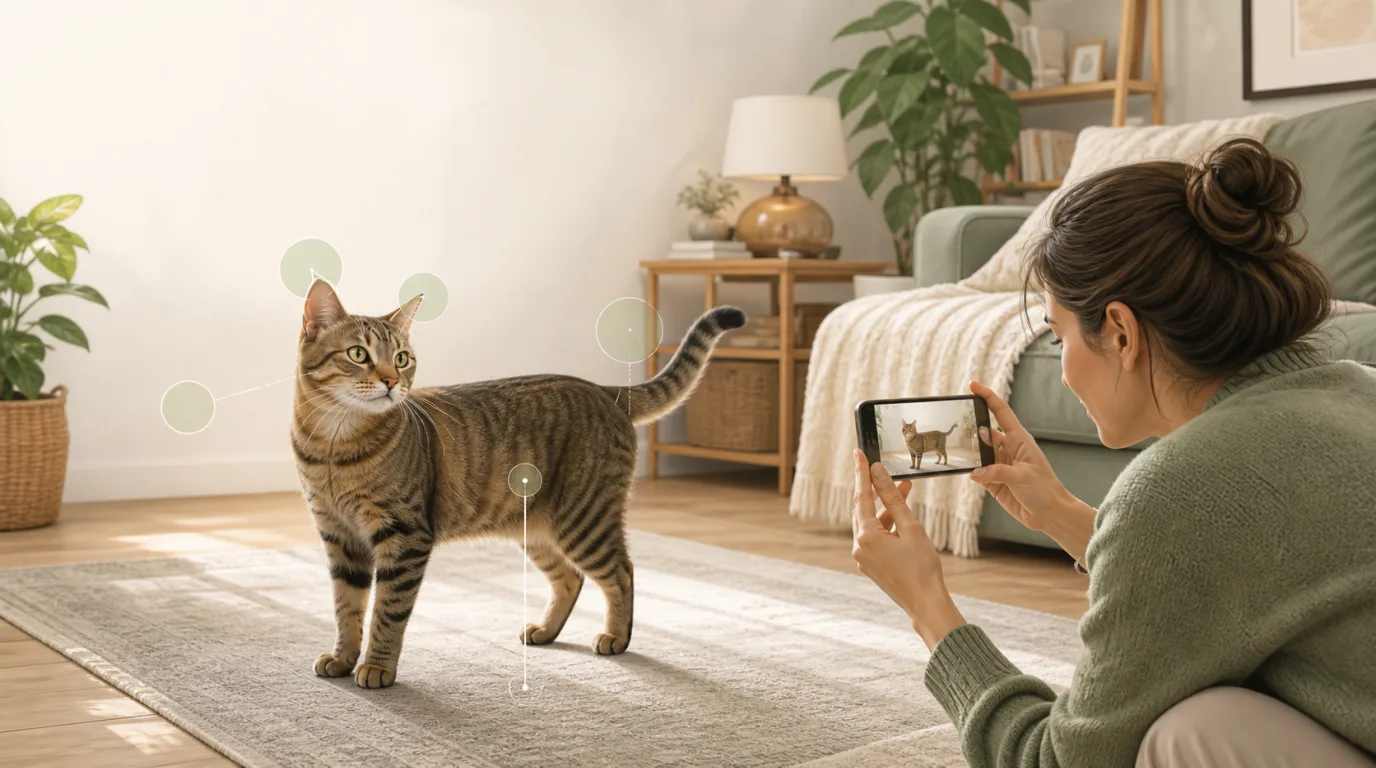
AI Cat Body Language Analyzer: Read Visible Signals

dog-behavior · 9 min
AI Dog Body Language Analyzer: Read Visible Signals
cat-behavior · 10 min
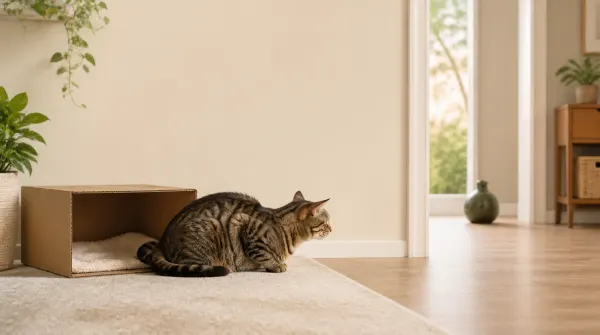
Cat Crouching Body Language: Fear, Hunting or Pain?

cat-behavior · 10 min
Cat Hiding After Moving House: A Safe-Room Plan
cat-behavior · 10 min
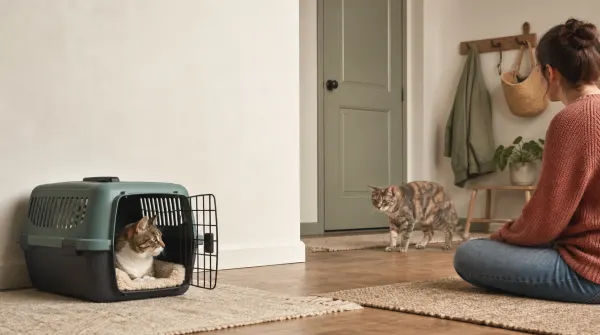
Cat Non-Recognition Aggression After the Vet: What Helps

cat-behavior · 11 min
Overstimulated Cat: Warning Signs and What to Do
cat-behavior · 10 min
Redirected Aggression in Cats: What to Do Right Now
cat-behavior · 10 min
Why Does My Cat's Skin Ripple When I Pet Them?

cat-behavior · 11 min
Cat Stress Signs: Acute Clues and Chronic Changes

cat-behavior · 10 min
Cat Whisker Positions: Forward, Neutral and Back

dog-behavior · 12 min
Dog Calming Signals: 12 Signs and What to Do
dog-behavior · 10 min
Dog Displacement Behaviors: Context Changes the Meaning

dog-behavior · 10 min
Dog Freezing Body Language: Fear, Focus or Warning?

dog-behavior · 9 min
Dog Paw Lift Meaning: Stress, Pointing or Pain?

dog-behavior · 9 min
Dog Sniffing the Ground: Stress Signal or Normal Exploring?
dog-behavior · 10 min
Dog Stiff Body Language: Tension, Warning or Pain?

dog-behavior · 10 min
Dog Stress Ladder: Signs From Uneasy to Bite Risk

training-science · 10 min
Dog Training Threshold: Under, Near and Over Explained

dog-behavior · 10 min
Trigger Stacking in Dogs: Signs, Recovery and Prevention

training-science · 11 min
Pet Stress Tracker: What Apps and Wearables Can Tell You
cat-behavior · 15 min
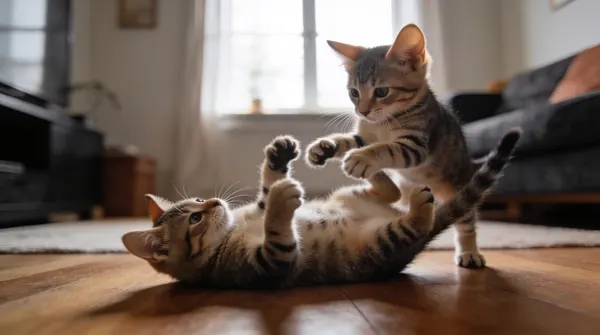
Playing or Fighting? How to Read Cat Wrestling

dog-behavior · 12 min
Dog Ears Back: What 5 Ear Positions Actually Signal
dog-behavior · 16 min
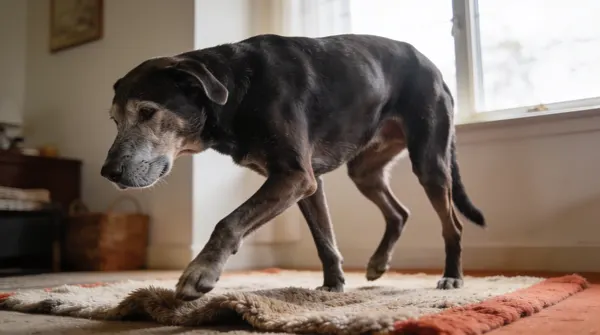
Why Does My Dog Groan When He Lies Down?

dog-behavior · 19 min
Is My Dog Depressed? Signs, Causes, Triage

dog-behavior · 14 min
What Is My Dog Trying to Tell Me? A Signal Guide

cat-behavior · 14 min
Why Do My Cats Fight at Night? Play vs Real Fighting

dog-behavior · 14 min
Why Does My Dog Whine So Much? 6 Whine Types
cat-behavior · 14 min
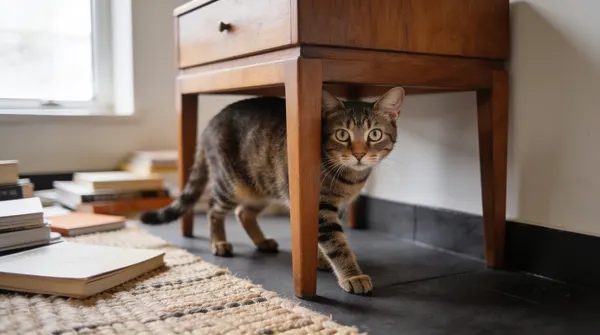
Why Is My Cat Acting Weird? A Triage Guide
cat-behavior · 8 min
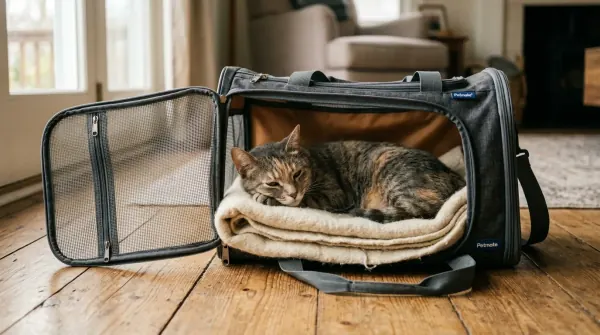
Cat Carrier Training That Doesn't Stress Cats

cat-behavior · 10 min
Why Is My Cat Peeing Outside the Litter Box?

cat-behavior · 7 min
Cat Hiding Under the Bed: When to Intervene

dog-behavior · 9 min
12 Signs Your Dog Is Stressed: Early Signals

dog-behavior · 6 min
Dog Yawning When Not Tired: The Real Reason

dog-behavior · 7 min
Dog Lip Licking: Stress Signal or Anticipation

cat-behavior · 7 min
Cat Airplane Ears: What Flattened Ears Mean

dog-behavior · 7 min
Whale Eye in Dogs: An Early Stress Signal

cat-behavior · 13 min
Cat Body Language: A Vet-Behaviorist Guide

dog-behavior · 12 min
Dog Body Language: A Vet-Behaviorist Guide